01
Average days to close
22
From application to closing, the average is 22 days.
22
Financial Planner Dashboard
Your source for mortgage and local real estate news and tools.
Financial Planner Mortgage Calculators
Everything on this page is built for the conversations you have with clients: a weekly market brief, a close-in-a-trust checklist, and ten interactive calculators — after-tax mortgage cost, sell vs. borrow, pay down vs. invest, reverse mortgage vs. HELOC, mortgage payment, refi opportunity, and more. And when you send a client our way, we keep you informed at every step, we never compete for their investments, and we treat your referral like gold.
The 2 Mortgage Guys
Send us your home-buying clients and we will take it from there — same-day response, clear next steps, and you stay in the loop until closing.
Financial planner list
A short email, once a week. It covers how rates moved, plus one planning tip you can use in the next client meeting.
The form is emailed to [email protected]. We add you to the financial planner list from there. The brief is a market note, not a quote, rate lock, or offer to lend. Email that same address anytime to be removed.
Process transparency
A referral only works if you can see the process, stay in the loop, know that we know what we're talking about and get your clients to the closing table, without dragging the process out.
How a referred file moves
Average days to close
22
From application to closing, the average is 22 days.
Your point of contact
You work with Ryan or Steve directly. They are Branch Managers and Senior Loan Officers at Luminate Bank, and they stay on the file from the first call through closing.


Kept in the loop
When your client authorizes it, we keep you posted as the mortgage moves: where the file stands, what is still needed, and the closing date.
If the client does not give that permission, we do not share their mortgage details. The planning relationship stays with you. We do mortgages only.
22 days is an average, not a promise that every loan closes on that day. Timing depends on the loan program, appraisal, title, underwriting, and how quickly documents come back. All loans are subject to credit and property approval. Sharing file updates with a financial planner requires the client’s permission.
Real-life planning scenarios
These examples show where a mortgage conversation may help a client meet a housing or liquidity goal without automatically turning to an investment sale.
Examples are illustrative only. They are not financial, tax, or legal advice and do not guarantee qualification or a specific outcome.
Planning example
Example: A homeowner age 62 or older needs more monthly cash flow—or wants the mortgage payment gone. A reverse mortgage may let the client use home equity instead of selling investments during an unfavorable market.
Planning example
Example: A client has a substantial portfolio but modest taxable income. Asset depletion may convert eligible assets into qualifying income on paper without requiring the client to liquidate or withdraw those funds.
Planning example
Example: A client is buying a rental property. A DSCR loan can qualify using the property’s rent rather than personal income or tax returns, helping avoid a distribution made only to document income. A down payment is still required.
Planning example
Example: A client finds the next home before the current one closes. Bridge financing may use available home equity for the down payment instead of forcing the sale of invested assets on a fixed timeline.
Planning example
Example: A client needs money for a renovation, a business opportunity, or another planned expense. A cash-out refinance may raise that cash from home equity and leave invested positions in place. The comparison should include the new rate, closing costs, taxes, and how long the client expects to keep the loan.
Planning example
Example: A business owner’s tax return shows modest income after deductions, while deposits show stronger cash flow. A bank statement loan can qualify from 12 or 24 months of personal or business deposits, so the client does not have to cut write-offs or sell investments just to document income.
Planning example
Example: The home a client wants sits above conforming loan limits, and paying cash would mean selling a large invested position. Jumbo financing can cover a primary home, second home, or investment property for a qualified borrower. Down payment, reserves, and credit expectations are typically stronger than on a conforming loan.
Planning example
Example: A client is paid on 1099s, contract work, or a mix of W-2 and freelance income. A 1099 loan can use that income so the client does not have to restructure the work or sell investments to produce a cleaner tax return.
Planning example
Example: A client wants a lake house, beach place, or winter home and could pay cash from invested assets. Financing the second home can keep those assets in the plan. The property has to be a true second home, and down payment, reserves, and occupancy are reviewed on that file.
Planning example
Example: A client applies a bonus, inheritance, or other lump sum to the mortgage and wants the monthly payment to drop without refinancing. A recast may re-amortize the remaining balance over the years left on the loan, which can free cash flow without a new rate or an investment sale.
For financial planners
These are specific calculators for financial planners, and you are not going to find this set anywhere else. The buttons below open tools for the questions you actually get: selling investments versus borrowing, paying down the mortgage versus investing, reverse mortgage versus HELOC versus selling investments, a refi opportunity checker for savings at three lower rates, refinance breakeven, a DSCR deal analyzer, 15-year versus 30-year with the payment difference invested, a bridge loan cost estimator, a mortgage calculator that shows payment scenarios from the rate, term, and loan amount, and an after-tax cost of mortgage calculator that shows the true borrowing cost after the mortgage interest deduction. Click one and that calculator opens underneath. Opening another calculator closes the one that is open. Each calculator opens blank. Load sample scenario fills in a hypothetical you can see immediately. Those sample rates are illustrative assumptions, not a quote.
See the year-one cost of a fixed mortgage after the mortgage interest deduction, so you can compare borrowing with an after-tax investment return. Results update as you type.
Optional. Leave blank for 0%. Added to the federal bracket. That sum is a simplification.
2026 IRS amount for single filers is $16,100. Changing filing status refills this. Type over it to override.
Everything besides mortgage interest: SALT, charity, and the rest. Leave blank for $0.
Enter the loan amount, interest rate, and federal bracket. The term starts at 30 years. State bracket and other itemized deductions can stay blank.
Educational estimates only — not tax advice. Tax law is complex and individual; consult a CPA.
For planning comparison only — not a loan quote, offer, or rate lock.
Sell investments vs. borrow
Enter the client’s assumptions and compare the illustrated cost of selling with the illustrated cost of borrowing. The loan rate starts blank. Every assumption stays editable. Illustrative only; not tax or financial advice.
Dollars that would be sold, or borrowed.
Enter 7 for 7%.
Use the combined rate you want to illustrate.
This starts blank. The rate you type is your assumption, not a rate from The 2 Mortgage Guys or Luminate Bank.
Whole years from 1 to 40.
Enter 0 if you want closing costs left out of the illustration.
Enter every assumption to compare the true cost of selling with the true cost of borrowing. Nothing is pre-filled, including the loan rate.
Enter every assumption to print a client report.
Selling cost equals estimated capital-gains tax plus the compounded growth forfeited on the amount sold. Tax is the taxable gain multiplied by the capital-gains tax rate you enter. If you enter a cost basis, taxable gain is the amount needed minus that basis, and it is never below zero. A basis above the amount needed is treated as no taxable gain. This illustration does not apply a tax benefit for a loss. Forfeited growth is the amount needed multiplied by (1 + annual return) raised to the number of years, minus the amount needed. A negative growth figure means the entered return is a loss, so selling avoids that decline.
Borrowing cost equals total interest on a fully amortizing loan plus the closing costs you enter. The monthly payment is calculated from the amount, the loan rate, and the term. Total interest is that payment multiplied by the number of months, minus the amount borrowed. Payments reduce the balance, so this is not interest on the full amount for the entire term. The monthly payment and the total paid are context. They are not added again on top of interest and closing costs.
The breakeven point is the annual portfolio return at which the two illustrated costs are equal. Every rate is an assumption you enter. None of these figures is an advertised rate, a quote, a rate lock, or an offer to lend from The 2 Mortgage Guys or Luminate Bank.
Ryan and Steve can walk through the same assumptions for one client. The mortgage stays with us. The planning relationship stays with you.
Illustrative only; not tax or financial advice. Entered rates are assumptions you provide. They are not advertised rates, quotes, rate locks, or offers to lend from The 2 Mortgage Guys or Luminate Bank. Actual tax depends on basis, holding period, filing status, and state tax. Interest may or may not be deductible, and that is not included here. Investment returns are not guaranteed. All loans are subject to credit and property approval.
Pay down the mortgage vs. invest
This is the question planners hear most. Compare an extra monthly principal payment with investing that same amount through the end of the remaining term. The mortgage rate starts blank. Every assumption stays editable. Illustrative only; not tax or financial advice.
Principal still owed. The scheduled payment is principal and interest only.
This starts blank. The rate you type is your assumption, not a rate from The 2 Mortgage Guys or Luminate Bank.
Whole years from 1 to 40.
Principal paid extra each month, or the amount invested instead.
Enter 7 for 7%. Use an after-tax return if you want taxes reflected.
Enter every assumption to compare paying the mortgage down with investing the same extra amount. Nothing is pre-filled, including the mortgage rate.
Enter every assumption to print a client report.
The regular payment is the fully amortizing principal-and-interest payment from the current balance, the mortgage rate, and the remaining term. Taxes and insurance are not included. Both choices use the same monthly cash through the original end date: that scheduled payment plus the extra amount.
On the pay-down path, the extra amount reduces principal each month, so the loan is paid off sooner. In the payoff month, any cash not needed to finish the loan is invested. After payoff, the scheduled payment plus the extra amount is invested each month until the original end date. Interest paid is the interest charged before payoff.
On the invest path, the loan is paid on its original schedule and only the extra amount is invested each month until that same date. Interest paid is the interest charged over the full remaining term. Both paths end with the mortgage paid off. The wealth difference is the gap between the two investment balances.
The investment return is applied monthly as one-twelfth of the annual rate you enter, with each deposit added at the end of the month. The return is used exactly as entered, so type an after-tax return if you want taxes reflected. The breakeven return is the annual rate at which the two ending balances are equal. If they do not meet between 0% and 20%, the note says so. This is a calculation under your assumptions, not a recommendation. The mortgage rate and the investment return are not advertised rates, quotes, or offers to lend.
Ryan and Steve can walk through the same assumptions for one client. The mortgage stays with us. The planning relationship stays with you.
Illustrative only; not tax or financial advice. The mortgage rate and the investment return are assumptions you provide. They are not advertised rates, quotes, rate locks, or offers to lend from The 2 Mortgage Guys or Luminate Bank. Investment returns are not guaranteed. All loans are subject to credit and property approval.
Selling Investments vs. Reverse vs. HELOC
For a client age 62 or older, compare three ways to create monthly cash. See the payment impact, illustrated home equity over time, and what remains for the estate. Every rate starts blank and every assumption stays editable.
Enter planner-supplied figures for one illustration.
Enter every assumption to compare monthly cash flow, home equity, and the ending estate. No rate is pre-filled.
Enter every assumption to print a client report.
Home value grows monthly at the annual appreciation assumption. The existing mortgage accrues interest monthly and is reduced by the principal-and-interest payment entered. Property taxes, homeowners insurance, association dues, and maintenance are not included and continue under every path.
The reverse path first uses the amount available to pay off the existing mortgage and finance the entered upfront costs. If that amount is not enough, the path is marked unavailable and no partial reverse result is shown. Otherwise, monthly advances continue until the entered amount available is used. Interest accrues on the balance, no new principal-and-interest payment is modeled, and unused availability does not grow in this illustration.
The HELOC path keeps the existing mortgage. Upfront costs and monthly advances count against the credit limit. Interest-only payments cover monthly interest. For principal and interest, each advance is amortized over the term entered. Principal repaid does not replenish the illustrated credit limit, so later advances stop after cumulative draws reach that limit.
The selling path keeps the existing mortgage and sells enough investments each month to net the requested cash after estimated capital-gains tax. The taxable-gain share and tax rate determine the tax withheld from each sale. The remaining portfolio compounds monthly at the return entered. If the portfolio cannot fund a full month, the partial net amount is shown and later months receive no new cash.
Ending estate total equals illustrated remaining home equity plus the remaining portfolio. Home equity never appears below zero. Loan payments, taxes, insurance, maintenance, investment fees, and other income or spending are not deducted from the portfolio unless described above. Heirs may keep, sell, or refinance the home subject to actual program rules. This is a calculation under entered assumptions, not a recommendation.
The amount available for the reverse mortgage is the planner’s figure—not an official principal-limit calculation, a quote, or a rate from The 2 Mortgage Guys or Luminate Bank. Actual reverse-mortgage eligibility, proceeds, counseling, servicing, repayment, and protections follow program rules.
Ryan and Steve can help frame the mortgage assumptions while the investment and estate-planning decisions stay with the client’s advisors.
Illustrative only; not tax or financial advice. Every entered rate and amount is a user-provided assumption—not an advertised rate, quote, rate lock, official reverse-mortgage principal limit, or offer to lend from The 2 Mortgage Guys or Luminate Bank. Property taxes, insurance, and maintenance continue under every path. Investment returns and home appreciation are not guaranteed. All loans are subject to credit, property, program, and borrower approval.
Refi Opportunity Checker
Use this in a trigger-rate follow-up, live in the meeting. Enter the client’s current loan balance, interest rate, and remaining term. The checker shows today’s estimated principal-and-interest payment, then the same balance and term at rates 0.5, 1, and 1.5 percentage points lower.
These figures are illustrative principal-and-interest estimates, not a quote, a rate lock, or an offer to lend. They exclude closing costs, taxes, insurance, and mortgage insurance.
Refinance Breakeven is the detailed next step when you want closing costs, a different term, and the month the refinance pays for itself.
Principal still owed. Greater than $0 and no more than $100,000,000. This starts blank.
This starts blank. Above 1.5% and at most 25%, so each lower rate stays above 0%. The rate you type is your assumption, not a rate from The 2 Mortgage Guys or Luminate Bank.
Whole years from 1 to 40. Each scenario keeps this term.
Enter the current loan balance, interest rate, and remaining term. Nothing is pre-filled. The three lower-rate scenarios appear as soon as those entries are valid.
The current payment is fully amortizing principal and interest from the current balance, the current interest rate, and the remaining term. Each scenario keeps that balance and that remaining term. Only the rate changes, by 0.5, 1, and 1.5 percentage points. Monthly savings are the current payment minus the scenario payment. Estimated 12-month savings are the monthly savings multiplied by 12.
Closing costs, taxes, insurance, and mortgage insurance are not included, and the term does not change. Refinance Breakeven is the detailed next step when the conversation includes closing costs, a different term, and the month the refinance pays for itself. Every rate is the rate you enter or a reduction from that rate. None of these figures is an advertised rate, a quote, a rate lock, or an offer to lend from The 2 Mortgage Guys or Luminate Bank.
The checker isolates the rate. Refinance Breakeven adds closing costs, lets you change the term, and shows when the new loan costs less. Ryan and Steve can walk through either set of numbers for one client.
Illustrative principal-and-interest estimates only. Not a quote, rate lock, or offer to lend from The 2 Mortgage Guys or Luminate Bank. Closing costs, taxes, insurance, and mortgage insurance are excluded. The balance and remaining term stay the same in every scenario. All loans are subject to credit and property approval.
Refinance breakeven
This is the detailed next step after the Refi Opportunity Checker. Use it when the conversation includes closing costs, a different term, and the break-even timeline. Compare the current loan with a new loan. Both rates start blank. Closing costs are added to the new balance. The result is the first month the refinance costs less, using principal and interest only. Illustrative only; not tax or financial advice.
Principal still owed. Greater than $0 and no more than $100,000,000.
This starts blank. Above 0% and at most 25%.
Whole years from 1 to 40.
This starts blank. The rate you type is your assumption, not a rate from The 2 Mortgage Guys or Luminate Bank.
Whole years from 1 to 40.
Added to the new loan balance. Enter 0 if there are none. The new balance cannot exceed $100,000,000.
Enter every assumption to compare the current loan with the new loan. Nothing is pre-filled, including either rate.
Enter every assumption to print a client report.
This is a rate-and-term illustration of principal and interest only. The current payment comes from the current balance, the current rate, and the remaining term. Closing costs are added to that balance and are not modeled as cash paid at closing. The new payment uses the higher amount, the new rate, and the new term. Taxes, insurance, and mortgage insurance are not included.
Amount is the starting principal. Total interest is the interest charged over that loan’s term. Total paid is the principal plus that interest. The monthly payment difference compares the two principal-and-interest payments.
Months to break even is the first month when payments made so far plus the remaining balance are lower on the new loan. After the current loan would end, its payment is zero and its balance is zero, so its cost stays at the total paid. A longer new term is still counted through the end of the new loan. If the refinance never costs less, the result says so and names which loan costs less over that full comparison.
Both rates are assumptions you enter. They are not advertised rates, quotes, rate locks, or offers to lend from The 2 Mortgage Guys or Luminate Bank. The result is a calculation, not a recommendation.
Ryan and Steve can walk through the same rate-and-term assumptions for one client. The mortgage stays with us. The planning relationship stays with you.
Illustrative only; not tax or financial advice. Entered rates are the planner’s assumptions, not advertised rates, quotes, or offers to lend from The 2 Mortgage Guys or Luminate Bank. This comparison is principal and interest only. Taxes, insurance, and mortgage insurance are not included. All loans are subject to credit and property approval.
Rate-and-Term RefinanceRental purchase
Enter the purchase price, down payment, rate, loan term, gross monthly rent, and monthly expenses. The rate starts blank. The result shows the DSCR ratio, monthly cash flow, and cash-on-cash return. Illustrative only; not tax or financial advice.
Greater than $0 and no more than $100,000,000.
May be $0. Must stay below the purchase price so the loan is above $0.
This starts blank. Above 0% and at most 25%. The rate you type is your assumption, not a rate from The 2 Mortgage Guys or Luminate Bank.
Whole years from 1 to 40.
Used exactly as entered. No vacancy allowance is applied.
Taxes, insurance, HOA, and any other monthly costs other than principal and interest. Enter 0 if there are none.
Enter every assumption to see the DSCR ratio, monthly cash flow, and cash-on-cash return. Nothing is pre-filled, including the rate.
Enter every assumption to print a client report.
The loan amount is the purchase price minus the down payment. Principal and interest is the fully amortizing payment from that amount, the entered rate, and the term. Monthly housing cost is that payment plus the expenses entered. Expenses mean taxes, insurance, HOA, and any other monthly costs other than principal and interest.
DSCR is gross monthly rent divided by that housing cost, shown to two decimals. This is the same rent-divided-by-housing-cost measure already described for DSCR loans. Rent is used exactly as entered, with no vacancy allowance. Monthly cash flow is rent minus the housing cost and can be negative.
Cash-on-cash return is twelve months of that cash flow divided by the down payment. Cash invested is the down payment only. If the down payment is $0, cash-on-cash is not defined because no cash is invested.
The rate is the planner’s assumption, not an advertised rate, a quote, or an offer to lend from The 2 Mortgage Guys or Luminate Bank. The result is a calculation, not an approval or a recommendation.
Ryan and Steve can walk through the same rent, expense, and down-payment assumptions for one client. The mortgage stays with us. The planning relationship stays with you.
Illustrative only; not tax or financial advice. The rate is the planner’s assumption, not an advertised rate, quote, or offer to lend from The 2 Mortgage Guys or Luminate Bank. Rent is used exactly as entered, with no vacancy allowance. All loans are subject to credit and property approval.
DSCR Loans15-year vs. 30-year
Compare total interest on the same loan amount, then see what the monthly payment difference grows to if it is invested. Both rates start blank. The terms stay at 15 years and 30 years. Illustrative only; not tax or financial advice.
Greater than $0 and no more than $100,000,000. Both loans use this amount. Principal and interest only.
This starts blank. Above 0% and at most 25%. The term stays at 15 years.
This starts blank. Above 0% and at most 25%. The term stays at 30 years.
From -50% to 50%. Enter 7 for 7%. Use an after-tax return if you want taxes reflected.
The rates and the investment return are assumptions you type. They are not advertised rates, quotes, or offers to lend.
Enter the loan amount, both rates, and the expected return to compare a 15-year loan with a 30-year loan. Nothing is pre-filled, including the rates.
Enter every assumption to print a client report.
Both loans use the same amount and cover principal and interest only. The 15-year payment comes from that amount, the 15-year rate, and a 15-year term. The 30-year payment comes from the same amount, the 30-year rate, and a 30-year term. Taxes, insurance, and mortgage insurance are not included. Total interest is the interest charged over that loan’s term. Total paid is principal plus that interest.
The monthly payment difference compares the two principal-and-interest payments. How much more interest the longer loan charges is the 30-year total interest minus the 15-year total interest. If the 15-year payment is not higher, there is no difference to invest, and the interest comparison is still shown.
When the 15-year payment is higher, both choices spend that higher amount every month for 30 years. The 15-year path pays the loan until it is gone, then invests that full payment each month through year 30. The 30-year path keeps the lower payment for 30 years and invests the payment difference every month for those 30 years. What the difference grows to is the ending balance of those monthly difference deposits. The 15-year path’s ending investment balance is the balance of the deposits made after the loan is paid off. The wealth gap is the difference between those two ending balances. Both paths end with the loan paid off.
The investment return is applied monthly as one-twelfth of the annual rate entered, with each deposit added at the end of the month. The return is used exactly as entered, so type an after-tax return if taxes should be reflected. The breakeven return is the annual rate between 0% and 20% at which the two ending balances are equal. If they do not meet in that range, the note says so. This is a calculation under the entered assumptions, not a recommendation. The rates and the investment return are not advertised rates, quotes, or offers to lend.
Ryan and Steve can walk through the same loan amount, rates, and investment return for one client. The mortgage stays with us. The planning relationship stays with you.
Illustrative only; not tax or financial advice. The rates and the investment return are the planner’s assumptions, not advertised rates, quotes, or offers to lend from The 2 Mortgage Guys or Luminate Bank. Investment returns are not guaranteed. Taxes, insurance, and mortgage insurance are not included. All loans are subject to credit and property approval.
Conventional LoansBridge loan cost
Compare the cost of interest-only bridge financing with the price given up to sell the current home quickly or the premium paid to strengthen a contingent offer. The rate starts blank. Illustrative only; not tax or financial advice.
Bridge financing
Greater than $0 and no more than $100,000,000. Interest is calculated on this amount.
This starts blank. Above 0% and at most 25%. The rate you type is your assumption, not a rate from The 2 Mortgage Guys or Luminate Bank.
A whole number of months from 1 to 36.
$0 or more, and no more than $100,000,000. Added to the financing cost. Not added to the amount used for interest.
Sell first
Greater than $0 and no more than $100,000,000.
From 0% to 50%. Enter 3 for a 3% reduction accepted to sell the current home quickly.
Contingent offer
Greater than $0 and no more than $100,000,000.
The rate, discount, and premium are assumptions you type. They are not advertised terms or offers to lend.
Enter the bridge amount, rate, months outstanding, closing costs, current-home sale price, quick-sale discount, next-home price, and contingent-offer premium. Nothing is pre-filled, including the rate.
Enter every assumption to print a client report.
Bridge financing cost is the interest-only charge for each month the bridge is outstanding, multiplied by the number of months, plus the closing costs entered. Monthly interest equals the bridge amount times the annual rate divided by 12. Interest is not compounded, and closing costs are not added to the amount used for interest. Principal due at payoff is the bridge amount. It is shown separately because it is repaid, usually from the sale of the current home, and it is not a financing cost.
The sell-first price hit is the current-home sale price multiplied by the quick-sale discount. That discount is the estimated reduction accepted to sell the current home quickly, so the purchase of the next home does not depend on that sale. The contingent-offer price hit is the next-home price multiplied by the contingent-offer premium. That premium is the estimated extra price paid to strengthen an offer that is contingent on selling the current home.
The three illustrated costs are the bridge financing cost, the sell-first price hit, and the contingent-offer price hit. Dollar differences compare those amounts. The lowest illustrated cost is the smallest of the three. The breakeven discount is the quick-sale discount that makes the sell-first price hit equal the bridge financing cost. The breakeven premium is the contingent-offer premium that makes the contingent-offer price hit equal the bridge financing cost.
This illustration does not include the cost of owning two homes at once, such as property taxes, insurance, association dues, utilities, or maintenance. It also leaves out moving costs, temporary housing, real estate commissions, seller concessions beyond the discount entered, appraisal gaps, changes in home value, the opportunity cost of equity, points beyond the closing costs entered, and prepayment penalties. It does not check whether the bridge amount is available from home equity. The figures are illustrations under the assumptions entered, not recommendations, approvals, or guarantees. The rate, the quick-sale discount, and the contingent-offer premium are planner-provided assumptions, not advertised terms or offers to lend.
Ryan and Steve can walk through the bridge cost, the quick-sale discount, and the contingent-offer premium for one client. The mortgage stays with us. The planning relationship stays with you.
Illustrative only; not tax or financial advice. Entered rates and pricing impacts are planner-provided assumptions, not advertised terms or offers to lend from The 2 Mortgage Guys or Luminate Bank. Principal due at payoff is not a financing cost. Carrying costs, commissions, and changes in home value are not included. All loans are subject to credit and property approval.
Bridge LoansMortgage calculator
Enter a loan amount, rate, and term to see the monthly principal-and-interest payment, then compare that payment across common terms and nearby rates. Tax, insurance, and HOA are optional. The rate starts blank. Illustrative only; not a quote.
Greater than $0 and no more than $100,000,000.
This starts blank. Above 0% and at most 25%. The rate you type is your assumption, not a rate from The 2 Mortgage Guys or Luminate Bank.
Whole years from 1 to 40.
Leave blank for $0. Divided by 12 for the monthly total.
Leave blank for $0. Divided by 12 for the monthly total.
Leave blank for $0. Added as entered. It is not part of the scenario payments.
Enter the loan amount, interest rate, and term to see the monthly payment and nearby scenarios. Tax, insurance, and HOA can stay blank. Nothing is pre-filled, including the rate.
Enter the loan amount, rate, and term to print a client report.
The monthly principal-and-interest payment is fully amortizing. It uses the loan amount, the annual rate divided by 12, and the term in months. Total interest is that payment multiplied by the number of months, minus the loan amount. Payments reduce the balance, so this is not interest on the full amount for the entire term.
Property tax and homeowners insurance are annual amounts divided by 12. HOA is the monthly amount entered. A blank tax, insurance, or HOA field is treated as $0. Those amounts are added only to the monthly housing total. Term and rate scenarios stay principal and interest only.
Term scenarios keep the loan amount and the entered rate, and show 15, 20, and 30 years, plus the entered term when it is different. Rate scenarios keep the loan amount and the entered term, and show that rate plus and minus 0.25 and 0.50 percentage points when the shifted rate stays above 0% and at most 25%. Every rate is an assumption you enter. None of these figures is an advertised rate, a quote, a rate lock, or an offer to lend from The 2 Mortgage Guys or Luminate Bank.
Ryan and Steve can walk through the same loan amount, rate, and term for one client. The mortgage stays with us. The planning relationship stays with you.
Illustrative only; not tax or financial advice. The rate is the planner’s assumption, not an advertised rate, quote, or offer to lend from The 2 Mortgage Guys or Luminate Bank. Taxes, insurance, and HOA are included in the monthly housing total only when you enter them. Scenario rows are principal and interest only. All loans are subject to credit and property approval.
Loan CalculatorsTell us what would make this dashboard more useful in your planning practice. We read every request.
Close in a trust
Planners hit this on every other file. The client wants the house titled in a trust, and the closing stalls on a missing page, a name that does not match, or a signer who is not the trustee. Use this in the meeting. Check off what you have, then send the packet before a closing date is set.
Pick the trust type first. Most stalled files are a revocable living trust with a missing page, a name that does not match, or a signer who is not the current trustee. Irrevocable trusts, land trusts, and entities need a call before anyone is told the loan can close in that name.
0 of 14 checked
0 of 7
0 of 7
These are the exceptions. They are not boxes to check off and move on. If one of them is true, call before the client hears a closing date.
These are not handled like a revocable living trust. Most agency loans will not close with title in an irrevocable trust.
If the only trustee is a bank, a trust company, or someone other than the client, review the file before anyone discusses a closing date.
A house owned by an LLC, even an LLC owned by the trust, is a different loan conversation from titling in the trust itself.
Illinois-style land trusts in particular. The beneficiary, the trustee, and the power of direction all get reviewed.
Do not assume a USDA loan can vest in a trust. These files usually need title in the borrower’s individual name.
The power of attorney has to authorize the exact act, and the lender has to accept it. Build in time.
A trust signed or restated a few days before closing rarely clears underwriting and title in time.
Contract, trust, and title each using a different version of the name is the friction planners see on every other trust file.
A starting point for the meeting, not a guideline quote. The trust document and the loan program still have to be reviewed together.
Conventional
A revocable living trust is commonly acceptable when the borrower created the trust, is a trustee, and can revoke it. The document still has to be read. This is not an approval.
FHA
A living trust can work when the borrower has a beneficial interest and the trust meets FHA requirements. Irrevocable trusts generally do not.
VA
A revocable living trust can hold title on many VA files when the veteran is a beneficiary, can revoke the trust, and still meets occupancy. Confirm it on that file.
USDA
USDA generally expects title in the borrower’s own name. Treat a trust as a question for us, not as a yes.
Email the full agreement, amendments, vesting, and the attorney’s phone. Ryan and Steve will tell you whether this trust can stay on the file or needs a change before closing.
This checklist is a working aid for a planning meeting. It is not legal, tax, or estate-planning advice, and it is not a promise that a trust will be approved. Trust, title, and loan rules differ by state, program, and investor. All loans are subject to credit and property approval.
Licensed in all 50 states
No matter where your clients are, The 2 Mortgage Guys can help them finance a home. Luminate Bank is licensed to lend in all 50 states.
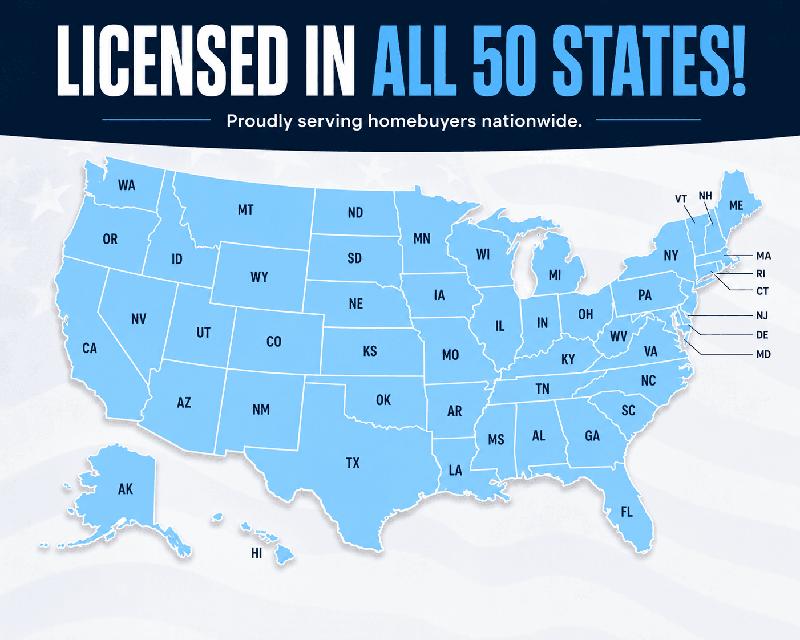
Serving borrowers nationwide
From coast to coast and everywhere in between
Home base: Kokomo, Indiana.
First-time buyers, move-up buyers, and forever homes in any state.
Finance a lake house, beach condo, or mountain retreat anywhere.
Rental properties and DSCR loans in all 50 states.
Corporate transfers, military moves, and cross-state relocations.
One-time close construction loans to build a home anywhere.
Lower a rate, consolidate debt, or tap equity nationwide.
Licensing does not mean every program is offered in every state. All loans are subject to credit and property approval, and product availability can vary.
Property 360
Enter a property address and prepare a branded report with estimated value, nearby sales, and neighborhood context for the next client conversation.
 PROPERTY 360
Start with a property address. We’ll take it from here.
Send a client
Share the goal and the timing. Ryan and Steve are your contacts, and with your client’s permission they keep you posted while the mortgage stays aligned with the plan.
The 2 Mortgage Guys · Ryan Minick & Steve DeLon · Luminate Bank
The 2 Mortgage Guys
Ryan Minick & Steve DeLon · Luminate Bank
Sell investments vs. borrow
Prepared October 5, 2026
Illustrative client handout
Enter the assumptions in the calculator, then choose Print / Save as PDF. This handout does not include a completed illustration yet.
Illustrative only; not tax or financial advice.
Call or email The 2 Mortgage Guys. Ryan Minick and Steve DeLon are the planner’s contacts at Luminate Bank.
(765) 450-8933 · [email protected]
Ryan Minick, NMLS #203249, (765) 878-6040, [email protected]
Steve DeLon, NMLS #202876, (765) 513-3800, [email protected]
Illustrative only; not tax or financial advice. Entered rates are assumptions provided for this illustration. They are not advertised rates, quotes, rate locks, or offers to lend from The 2 Mortgage Guys or Luminate Bank. Actual tax depends on basis, holding period, filing status, and state tax. Interest may or may not be deductible, and deductibility is not included. Investment returns are not guaranteed. All loans are subject to credit and property approval.
Luminate Bank NMLS 1281698 Bank Headquarters 2523 S. Wayzata Blvd., Suite 100 Minneapolis, MN 55405 (952) 939-7200. This is not an offer to enter into an agreement. Information provided is outlining the minimum down payment requirements as allowed by specific loan program and product guidelines and any information, rates and programs are subject to change without prior notice and may not be available in all states. All loans are subject to credit and property approval. Luminate Bank is not affiliated with any government agency. All rights reserved.
The 2 Mortgage Guys
Ryan Minick & Steve DeLon · Luminate Bank
Pay down the mortgage vs. invest
Prepared October 5, 2026
Illustrative client handout
Enter the assumptions in the calculator, then choose Print / Save as PDF. This handout does not include a completed illustration yet.
Illustrative only; not tax or financial advice.
Call or email The 2 Mortgage Guys. Ryan Minick and Steve DeLon are the planner’s contacts at Luminate Bank.
(765) 450-8933 · [email protected]
Ryan Minick, (765) 878-6040, [email protected]
Steve DeLon, (765) 513-3800, [email protected]
Illustrative only; not tax or financial advice. The mortgage rate and the investment return are assumptions provided for this illustration. They are not advertised rates, quotes, rate locks, or offers to lend from The 2 Mortgage Guys or Luminate Bank. Investment returns are not guaranteed. All loans are subject to credit and property approval.
Luminate Bank NMLS 1281698 Bank Headquarters 2523 S. Wayzata Blvd., Suite 100 Minneapolis, MN 55405 (952) 939-7200. This is not an offer to enter into an agreement. Information provided is outlining the minimum down payment requirements as allowed by specific loan program and product guidelines and any information, rates and programs are subject to change without prior notice and may not be available in all states. All loans are subject to credit and property approval. Luminate Bank is not affiliated with any government agency. All rights reserved.
The 2 Mortgage Guys
Ryan Minick & Steve DeLon · Luminate Bank
Reverse vs. HELOC vs. selling
Prepared October 5, 2026
Illustrative client handout
Enter the assumptions in the calculator, then choose Print / Save as PDF. This handout does not include a completed illustration yet.
Illustrative only; not tax or financial advice.
Call or email The 2 Mortgage Guys. Ryan Minick and Steve DeLon are the planner’s contacts at Luminate Bank.
(765) 450-8933 · [email protected]
Ryan Minick, (765) 878-6040, [email protected]
Steve DeLon, (765) 513-3800, [email protected]
Illustrative only; not tax or financial advice. Entered rates and amounts are user-provided assumptions. They are not advertised rates, quotes, rate locks, an official reverse-mortgage principal limit, or offers to lend from The 2 Mortgage Guys or Luminate Bank. Property taxes, insurance, and maintenance continue. Investment returns and home appreciation are not guaranteed. All loans are subject to credit, property, program, and borrower approval.
Luminate Bank NMLS 1281698 Bank Headquarters 2523 S. Wayzata Blvd., Suite 100 Minneapolis, MN 55405 (952) 939-7200. This is not an offer to enter into an agreement. Information provided is outlining the minimum down payment requirements as allowed by specific loan program and product guidelines and any information, rates and programs are subject to change without prior notice and may not be available in all states. All loans are subject to credit and property approval. Luminate Bank is not affiliated with any government agency. All rights reserved.
The 2 Mortgage Guys
Ryan Minick & Steve DeLon · Luminate Bank
Refinance breakeven
Prepared October 5, 2026
Illustrative client handout
Enter the assumptions in the calculator, then choose Print / Save as PDF. This handout does not include a completed illustration yet.
Illustrative only; not tax or financial advice.
Call or email The 2 Mortgage Guys. Ryan Minick and Steve DeLon are the planner’s contacts at Luminate Bank.
(765) 450-8933 · [email protected]
Ryan Minick, NMLS #203249, (765) 878-6040, [email protected]
Steve DeLon, NMLS #202876, (765) 513-3800, [email protected]
Illustrative only; not tax or financial advice. Entered rates are the planner’s assumptions, not advertised rates, quotes, or offers to lend from The 2 Mortgage Guys or Luminate Bank. This comparison is principal and interest only. Taxes, insurance, and mortgage insurance are not included. All loans are subject to credit and property approval.
Luminate Bank NMLS 1281698 Bank Headquarters 2523 S. Wayzata Blvd., Suite 100 Minneapolis, MN 55405 (952) 939-7200. This is not an offer to enter into an agreement. Information provided is outlining the minimum down payment requirements as allowed by specific loan program and product guidelines and any information, rates and programs are subject to change without prior notice and may not be available in all states. All loans are subject to credit and property approval. Luminate Bank is not affiliated with any government agency. All rights reserved.
The 2 Mortgage Guys
Ryan Minick & Steve DeLon · Luminate Bank
DSCR deal analyzer
Prepared October 5, 2026
Illustrative client handout
Enter the assumptions in the calculator, then choose Print / Save as PDF. This handout does not include a completed illustration yet.
Illustrative only; not tax or financial advice.
Call or email The 2 Mortgage Guys. Ryan Minick and Steve DeLon are the planner’s contacts at Luminate Bank.
(765) 450-8933 · [email protected]
Ryan Minick, NMLS #203249, (765) 878-6040, [email protected]
Steve DeLon, NMLS #202876, (765) 513-3800, [email protected]
Illustrative only; not tax or financial advice. The rate is the planner’s assumption, not an advertised rate, quote, or offer to lend from The 2 Mortgage Guys or Luminate Bank. Rent is used exactly as entered, with no vacancy allowance. All loans are subject to credit and property approval.
Luminate Bank NMLS 1281698 Bank Headquarters 2523 S. Wayzata Blvd., Suite 100 Minneapolis, MN 55405 (952) 939-7200. This is not an offer to enter into an agreement. Information provided is outlining the minimum down payment requirements as allowed by specific loan program and product guidelines and any information, rates and programs are subject to change without prior notice and may not be available in all states. All loans are subject to credit and property approval. Luminate Bank is not affiliated with any government agency. All rights reserved.
The 2 Mortgage Guys
Ryan Minick & Steve DeLon · Luminate Bank
15-year versus 30-year
Prepared October 5, 2026
Illustrative client handout
Enter the assumptions in the calculator, then choose Print / Save as PDF. This handout does not include a completed illustration yet.
Illustrative only; not tax or financial advice.
Call or email The 2 Mortgage Guys. Ryan Minick and Steve DeLon are the planner’s contacts at Luminate Bank.
(765) 450-8933 · [email protected]
Ryan Minick, NMLS #203249, (765) 878-6040, [email protected]
Steve DeLon, NMLS #202876, (765) 513-3800, [email protected]
Illustrative only; not tax or financial advice. The rates and the investment return are the planner’s assumptions, not advertised rates, quotes, or offers to lend from The 2 Mortgage Guys or Luminate Bank. Investment returns are not guaranteed. This comparison is principal and interest only. Taxes, insurance, and mortgage insurance are not included. All loans are subject to credit and property approval.
Luminate Bank NMLS 1281698 Bank Headquarters 2523 S. Wayzata Blvd., Suite 100 Minneapolis, MN 55405 (952) 939-7200. This is not an offer to enter into an agreement. Information provided is outlining the minimum down payment requirements as allowed by specific loan program and product guidelines and any information, rates and programs are subject to change without prior notice and may not be available in all states. All loans are subject to credit and property approval. Luminate Bank is not affiliated with any government agency. All rights reserved.
The 2 Mortgage Guys
Ryan Minick & Steve DeLon · Luminate Bank
Bridge loan cost estimator
Prepared October 5, 2026
Illustrative client handout
Enter the assumptions in the calculator, then choose Print / Save as PDF. This handout does not include a completed illustration yet.
Illustrative only; not tax or financial advice.
Call or email The 2 Mortgage Guys. Ryan Minick and Steve DeLon are the planner’s contacts at Luminate Bank.
(765) 450-8933 · [email protected]
Ryan Minick, NMLS #203249, (765) 878-6040, [email protected]
Steve DeLon, NMLS #202876, (765) 513-3800, [email protected]
Illustrative only; not tax or financial advice. Entered rates and pricing impacts are planner-provided assumptions, not advertised terms or offers to lend from The 2 Mortgage Guys or Luminate Bank. Principal due at payoff is not a financing cost. Carrying costs, commissions, and changes in home value are not included. All loans are subject to credit and property approval.
Luminate Bank NMLS 1281698 Bank Headquarters 2523 S. Wayzata Blvd., Suite 100 Minneapolis, MN 55405 (952) 939-7200. This is not an offer to enter into an agreement. Information provided is outlining the minimum down payment requirements as allowed by specific loan program and product guidelines and any information, rates and programs are subject to change without prior notice and may not be available in all states. All loans are subject to credit and property approval. Luminate Bank is not affiliated with any government agency. All rights reserved.
The 2 Mortgage Guys
Ryan Minick & Steve DeLon · Luminate Bank
Mortgage payment scenarios
Prepared October 5, 2026
Illustrative client handout
Enter the loan amount, rate, and term in the calculator, then choose Print / Save as PDF. This handout does not include a completed illustration yet.
Illustrative only; not a quote.
Call or email The 2 Mortgage Guys. Ryan Minick and Steve DeLon are the planner’s contacts at Luminate Bank.
(765) 450-8933 · [email protected]
Ryan Minick, NMLS #203249, (765) 878-6040, [email protected]
Steve DeLon, NMLS #202876, (765) 513-3800, [email protected]
Illustrative only; not tax or financial advice. The rate is the planner’s assumption, not an advertised rate, quote, or offer to lend from The 2 Mortgage Guys or Luminate Bank. Taxes, insurance, and HOA are included in the monthly housing total only when entered. Scenario rows are principal and interest only. All loans are subject to credit and property approval.
Luminate Bank NMLS 1281698 Bank Headquarters 2523 S. Wayzata Blvd., Suite 100 Minneapolis, MN 55405 (952) 939-7200. This is not an offer to enter into an agreement. Information provided is outlining the minimum down payment requirements as allowed by specific loan program and product guidelines and any information, rates and programs are subject to change without prior notice and may not be available in all states. All loans are subject to credit and property approval. Luminate Bank is not affiliated with any government agency. All rights reserved.
The 2 Mortgage Guys
Ryan Minick & Steve DeLon · Luminate Bank
Close-in-a-trust checklist
Prepared October 5, 2026
0 of 14 checked
Trust type: Not selected yet.
Pick the trust type first. Most stalled files are a revocable living trust with a missing page, a name that does not match, or a signer who is not the current trustee. Irrevocable trusts, land trusts, and entities need a call before anyone is told the loan can close in that name.
Email the full agreement, amendments, vesting, and the attorney’s phone. Ryan Minick and Steve DeLon are the planner’s contacts at Luminate Bank.
(765) 450-8933 · [email protected]
This checklist is a working aid for a planning meeting. It is not legal, tax, or estate-planning advice, and it is not a promise that a trust will be approved. Trust, title, and loan rules differ by state, program, and investor. All loans are subject to credit and property approval.
Luminate Bank NMLS 1281698 Bank Headquarters 2523 S. Wayzata Blvd., Suite 100 Minneapolis, MN 55405 (952) 939-7200. This is not an offer to enter into an agreement. Information provided is outlining the minimum down payment requirements as allowed by specific loan program and product guidelines and any information, rates and programs are subject to change without prior notice and may not be available in all states. All loans are subject to credit and property approval. Luminate Bank is not affiliated with any government agency. All rights reserved.