Ryan Minick and Steve DeLon are Branch Managers and Senior Loan Officers at Luminate Bank, working together as The 2 Mortgage Guys since 2005. Our home office is in Kokomo, about forty minutes north of Westfield, and we lend nationwide. Start with why people choose to live here, then we walk you through buying a home in Hamilton County, the mortgage options that actually fit this market, taxes and closing costs, and when USDA, renovation, or construction financing is the better tool.
Read the guide in order, or jump to the piece you need: living in Westfield, the purchase process, conventional, FHA, VA, and USDA loans, down payment assistance, renovation and construction, a payment calculator, and how we work with you. When you are ready for numbers on your file, get started or call (765) 450-8933.
Westfield is a Hamilton County suburb on the north side of Indianapolis where new neighborhoods, youth sports, and an easy commute set the pace. Families move here for Westfield Washington Schools, for Grand Park weekends, and for a housing market that keeps adding new homes alongside established neighborhoods. Ryan and Steve work with buyers across central Indiana from our Kokomo office, so the first question we answer is not which loan. It is whether Westfield is the right place to put down roots.
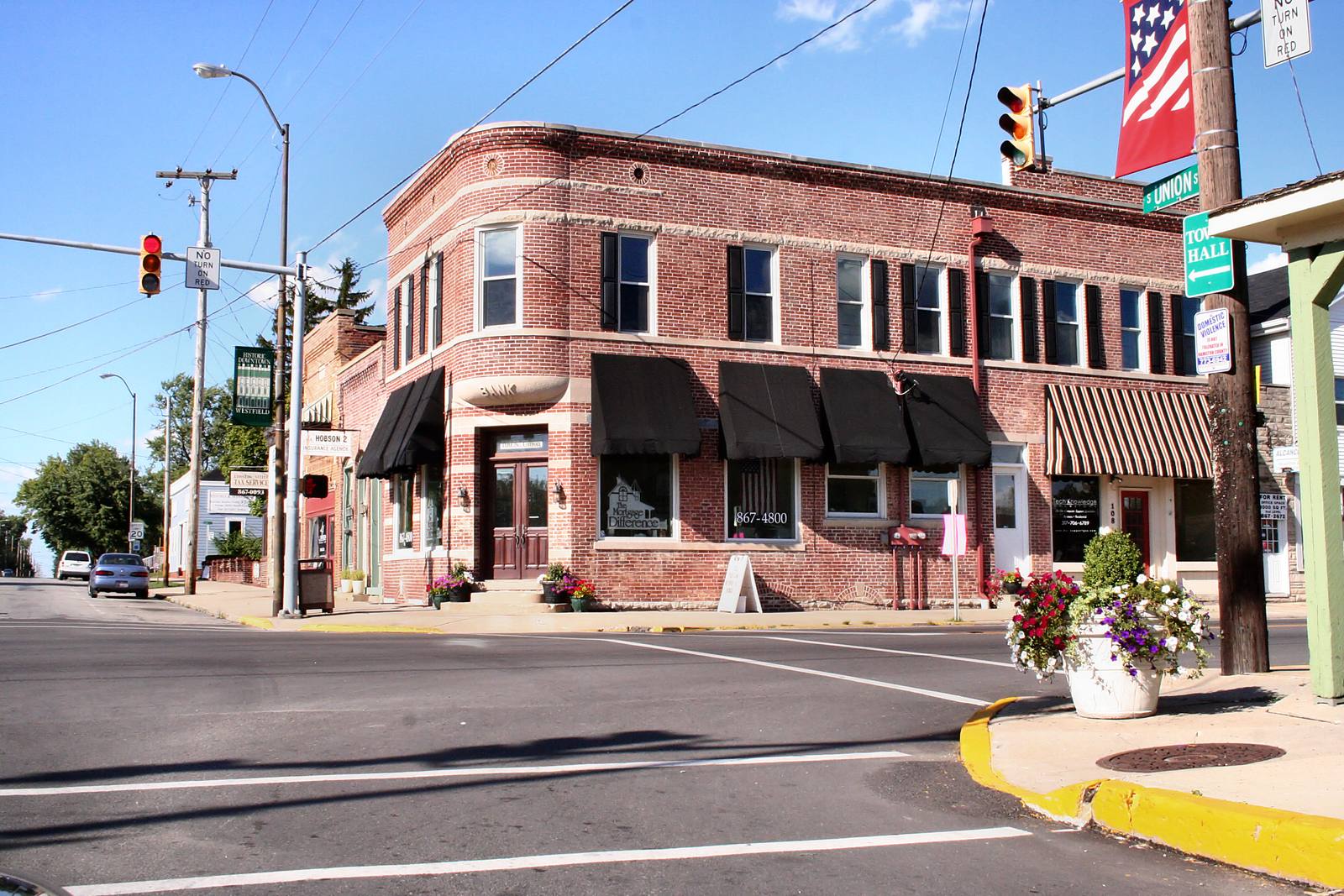
You get a full suburb: grocery stores, medical offices, dining, parks, and youth sports in town, with Carmel and Indianapolis a short drive south. Neighborhoods range from established streets near the original town center to large master planned communities, low maintenance townhomes, and acreage on the edges of the city.
Things to do
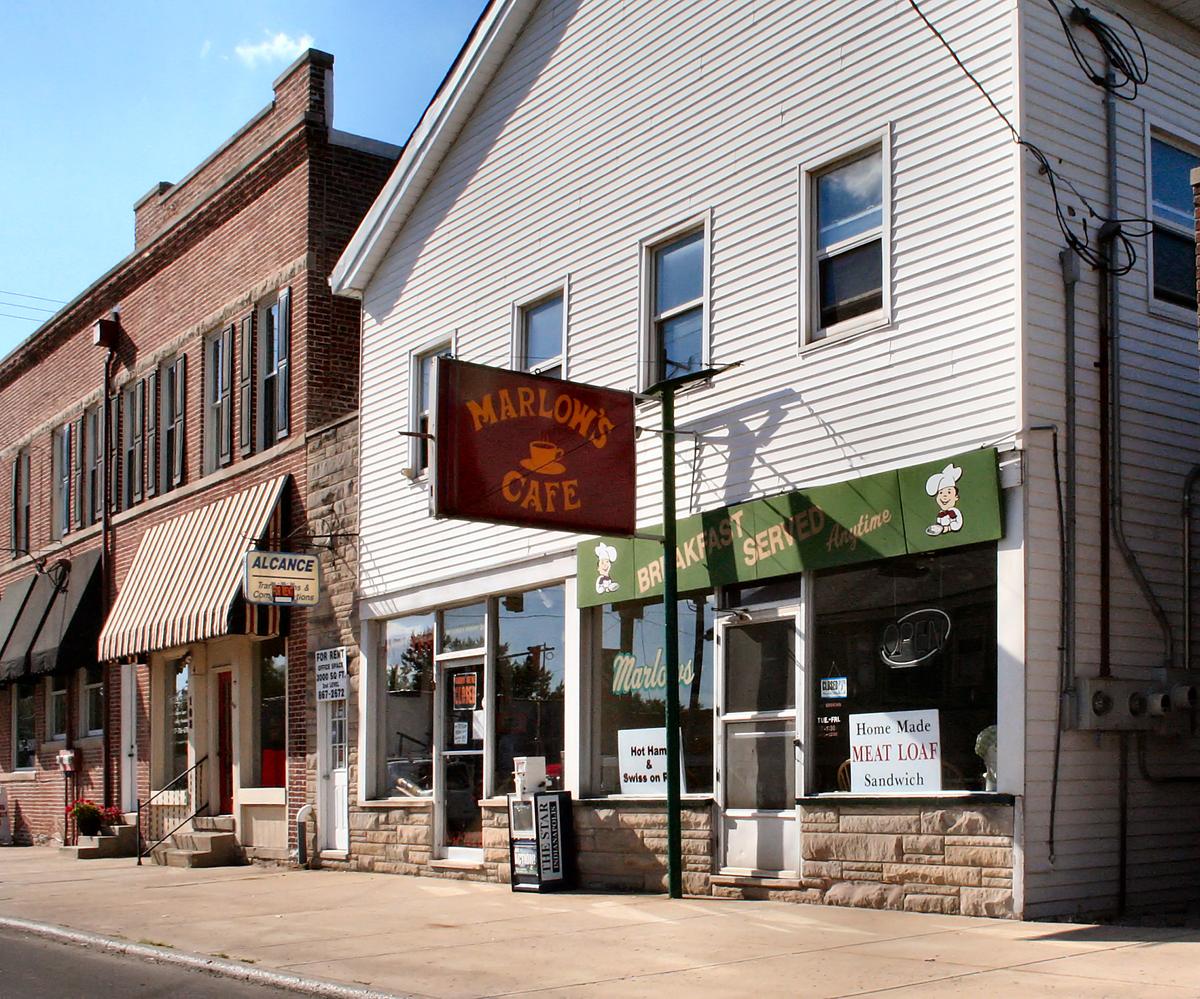
Grand Park brings tournaments and events all year, the Monon Trail and the Midland Trace Trail run through town for bikes and evening walks, and downtown Westfield has grown a real restaurant scene along Park Street. MacGregor Park, Freedom Trail Park, and a full calendar of city events fill the weekends without a drive into Indianapolis. You are not giving up a social life to live in the suburbs. You are choosing a shorter drive home after the game.
Convenience
Errands stay local: grocery stores, hospital and medical locations nearby in Hamilton County, shopping along US-31 and SR-32, and employers across the northern metro. US-31 runs straight to Carmel and Indianapolis, and I-465 connects you to the rest of the metro and the airport. Many Westfield residents commute, and the drive is the trade they make on purpose for the schools and the neighborhoods.
Safety
Westfield is a planned, growing suburb, and most neighborhoods were built with families in mind: sidewalks, community pools, and streets full of kids on bikes. Neighborhoods still vary street by street. As with any move, spend time in the neighborhood at different hours, talk to residents, and check local crime statistics to make sure it is the right fit for your family.
Schools
Westfield Washington Schools covers the city, and the district is one of the first filters on a Westfield home search. Private and parochial options in Hamilton County sit alongside. School preference often sets the map before the house hunt starts, so tell us the district and we size the payment to the price band those streets actually trade in.
Thirty minutes to Indy, a day trip to Chicago or Cincinnati
Downtown Indianapolis is about a half hour south on US-31: the airport, the Colts, the Pacers, the Fever, and the larger job market, all close enough for a weeknight. Chicago and Cincinnati are both easy day or weekend drives. You get metro access without paying a downtown mortgage, and your payment stays a Westfield payment.
Buying a Home in Westfield
Westfield prices like a Hamilton County suburb, not like Kokomo or the rural counties north of it. That is the starting fact most buyers relocating from outside Indiana miss. You are shopping a newer housing stock: master planned subdivisions, townhomes and paired villas, custom homes on larger lots, and a steady flow of new construction. Inventory tightens in the popular school and price bands and loosens where a home needs updating or sits in a less requested pocket.
A typical purchase still runs: conversation and pre-approval, agent search, offer, inspections, appraisal, underwriting, clear to close. In Hamilton County we still want a licensed home inspector on almost every resale. On the many newer homes the inspection turns up grading and drainage issues, HVAC items, and builder punch list work. On the older homes near the town center, add roof and foundation to the list, plus the well and septic setups you still find on the fringe. New construction has a different calendar: builder contract, construction draws or a one time close, and a certificate of occupancy before you move in.
Hamilton County also means county-level taxes, Indiana homestead timing, and title work through a local title company. None of that is mysterious, but it is not the same as buying in a rural county. We would rather build your payment with real escrow, then have you apply, than send you out collecting quotes that ignore taxes and insurance.
Mortgage Options for Westfield Buyers
There is no single “Westfield loan.” There is a first mortgage that matches your occupancy, credit, down payment, and the house itself. Here is how we actually sort files in this market — and what to know about each program.
Best when credit is solid and you can put 3% to 20% down. PMI is cancellable on most files once you reach the equity tests. First-time and income-limited buyers often land in HomeReady or Home Possible rather than a generic 5% product. Jumbo financing is common here, because many Westfield price bands sit above the conforming loan limit. We walk you through credit, DTI, gift funds, and PMI so you see the full cost, not just the rate.
The workhorse for thinner credit, higher DTI, or modest down payment (typically 3.5%). FHA mortgage insurance works differently than conventional PMI — we will show you how long MIP lasts before you assume you will refinance it off in two years. FHA is also the on-ramp to 203(k) when the house needs repairs the seller will not complete. Gift funds and family help are common and documented carefully.
If you have eligible service and entitlement, VA is usually the first model we run: $0 down, no monthly PMI, residual-income test instead of a simple DTI cutoff. Funding fee rules and exemptions matter. Residual income for Indiana is a published table, not a guess. Certificate of Eligibility comes before you fall in love with a house that sits above remaining entitlement.
Zero-down guaranteed loans for eligible rural property and income-capped households. Inside Westfield city limits this will not map. On the rural edges of the county it might be the cheapest cash to close story you have. Always verify the parcel. Guarantee fees are not “no mortgage insurance”; they are a different structure. We check the USDA map and household income before you write an offer.
Indiana Housing (IHCDA), Luminate PATH, Chenoa, and related seconds or grants can replace cash you do not have. They add overlays: education, income, occupancy, and sometimes a second lien you must understand before you refinance later. Assistance is not extra free money on top of an already maxed DTI; we size it with the first mortgage.
FHA 203(k), Fannie HomeStyle, Freddie CHOICERenovation, and Luminate’s interim renovation product cover different repair scopes. If you are buying a tired Westfield house because the bones are good, we look at renovation financing instead of assuming a standard purchase will “just hold back” repair money.
Lot plus build, or build on land you already own. One-time close versus two-time close is the first decision. Payments during construction are not the same as a 30-year PITI on a finished house. We will not let you budget like they are.
First-Time Home Buyers in Westfield
Our loan process was built with first-time buyers in mind! In Westfield that usually means a conversation about your credit, income and assets, moving on to a secure loan application to provide us the fine print, and then a face-to-face meeting to review the home buying process, housing market, interest rate strategy and home financing options. All designed to make you comfortable with your options and moving forward with a winning game plan!
Low-down conventional (3%) and FHA (3.5%) are the default comparison. VA and USDA, when they fit, can beat both on cash to close. Education is not optional window dressing: HomeReady, Home Possible, and several assistance seconds require an approved course before closing. We point you to Home Buyer Education so you take Fannie Mae HomeView or Freddie Mac CreditSmart once, the right way, instead of paying twice for a class an underwriter will reject.
For a Westfield purchase, we also walk you through local taxes, USDA eligibility around town, and which assistance programs you can actually use here. You can learn more on our First Time Homebuyer page.
What we need from you early
Photo ID and two years of work history in plain English
Indiana property tax is assessed at the parcel, billed by the county, and often escrowed by your mortgage servicer. Hamilton County is not a flat “one rate for Westfield.” Taxing districts differ between the city and surrounding townships. Assessed value is not the same as purchase price, especially in a rising or falling market, and it can lag a recent sale.
Owner-occupants should plan around the homestead standard deduction and, when eligible, the supplemental homestead deduction. Those filings typically happen after you close and occupy — they are not a lender form we submit with the 1003. Until homestead is on the tax record, an escrow estimate may look high relative to what a long-time owner pays next door. That is a timing issue, not a bait-and-switch.
Indiana’s circuit-breaker tax caps limit bills as a percentage of gross assessed value (with different caps for homestead, other residential, and other property). We mention that so you understand why two similar houses can still produce different bills. We will not invent a round-number millage for “average Westfield.” Your title commitment, last tax statement, and the auditor’s parcel record are the source of truth. New construction can have a dramatic first-year versus second-year pattern; budget with a cushion.
Taxes plus homeowners insurance plus any HOA equal the rest of PITI. If you only compare principal and interest quotes from two lenders, you are not comparing the payment you will actually write each month. Use the mortgage calculator below with a conservative tax percentage, then let us replace that guess with the parcel’s history when you are under contract.
Hamilton County property lookup
The county property search is the public record for a Westfield or Hamilton County parcel: owner of record, assessed value, tax history, legal description, and sales history. Pull the parcel before you write an offer or lock an escrow estimate, then send us the address and we will reconcile it against the quote.
Cash to close is down payment plus closing costs minus credits. Hamilton County closings include the same buckets you see statewide, priced by the actual title company, appraisal panel, and prepaid items — not by a national blog’s “2% to 5%” slogan.
Lender items
Origination charges (how we are paid is disclosed), underwriting, processing, credit report, flood cert, and lock-related fees if any. We disclose on the Loan Estimate. Compare apples to apples: a “no origination” quote can hide a worse rate.
Title and government
Owner’s and lender’s title, search, closing fee, recording, and Indiana transfer items as they apply to the contract. The seller often pays some title pieces by local custom; your purchase agreement controls, not custom alone.
Prepaids and escrow
Per diem interest, first year of homeowners insurance, and several months of tax and insurance into escrow. This is why two identical rates produce different checks at the table.
Credits that actually help
Seller concessions within program caps, lender credits in exchange for rate, and Brighter Closing when you qualify for that client benefit. Read Closing Costs and seller-paid cost rules before you write a concession into an offer you cannot support.
Down Payment Assistance Available to Westfield Buyers
Westfield buyers use Indiana-administered products and Luminate / national partners. Availability depends on income, first-time status, credit, property type, and whether you will occupy the home. We match you to the product you actually fit — stacking the wrong second lien is how people get stuck at refinance time.
USDA is a geography product first and a credit product second. The City of Westfield, as a built up Indianapolis suburb, is treated as ineligible across most of the city on the USDA map. Drive to the rural edges of Hamilton County, into neighboring small towns like Sheridan and Cicero, or into adjacent counties and the map often flips.
If the property is eligible, household income must sit under the limit for the county and household size. USDA counts adult household members in ways that surprise people who only look at the borrowers on the note. Occupancy is owner-occupied primary residence. Guarantee fees apply. Property condition still has to pass; a cheap rural house with no heat is not a USDA win.
Screenshot the USDA eligibility result, or just text the street. If it fails, we switch the same income file to FHA or conventional without making you start over.
Several well known home builders are active in Westfield, Indiana, from national builders in master planned communities to custom builders on individual lots. The names buyers run into most often include Arbor Homes, Lennar, M/I Homes, Pulte Homes, Beazer Homes, and Fischer Homes.
How you finance the house depends on the builder. Some will finance the build themselves, and you close a typical purchase mortgage once the home is complete. Custom builders often require a one-time close or two-time close construction loan to fund the construction phase. Learn more about our Construction Loans, including one-time close and two-time close.
Buying a Fixer-Upper in Westfield
Not every home is move-in ready. The older pockets of Westfield, near the original town center and out on the fringe, still list homes that need work before you can live in them the way you want.
With traditional financing, you are only allowed to borrow the sales price or the appraised value — whichever is lowest — minus the down payment requirement. That as-is cap is why a standard purchase loan will not cover the extra cost of repairs.
If you want to buy a home that needs some TLC, we have a variety of renovation loans that allow you to finance more than the sales price. Start with Renovation Loans, including FHA 203(k) and Fannie Mae HomeStyle.
Mortgage Calculator
Estimate principal, interest, tax escrow, insurance, and PMI. Defaults are a starting price band and a conservative tax line, not a quote. For side-by-side tools and a qualifier calculator, open Loan Calculators.
$
5% · $11,000
%
%/yr
$/yr
$/mo
Estimated monthly payment
$1,681
Principal & interest$1,321
Property tax$156
Home insurance$117
PMI$87
Loan amount$209,000
Current Westfield Housing Market
Hamilton County
Daily Mortgage and Real Estate Video
Our daily video on mortgage rates and the Westfield housing market, updated every weekday.
Our daily Westfield mortgage and real estate video is coming soon.
Part of the northern Indianapolis suburbs
How Westfield compares to Indiana averages
Westfield sits in Hamilton County, one of the most in demand housing markets in Indiana, and its prices track the northern Indianapolis suburbs rather than the state as a whole. Buyers here usually compare Westfield with Carmel, Fishers, and Noblesville, not with statewide averages. For current median prices and market comparisons, see the Westfield market data on Realtor.com and the Indiana Association of Realtors market reports. Market conditions shift, so check current local MLS data for the latest figures.
New construction across the city
New builds keep adding supply
Production builders and custom builders stay active across Westfield, from master planned communities near Grand Park to new sections on the edges of the city. That steady pipeline gives buyers options that older, built out suburbs cannot always offer, and it puts new construction in direct competition with resales. For current local figures, see the Westfield market data on Realtor.com.
Westfield and Hamilton County Inventory Trends
Hamilton County comparison
Inventory across Hamilton County shifts with the building pipeline and the school year calendar, and the Westfield supply picture can look different from Carmel or Fishers in the same month. For current inventory data, check Realtor.com and the Indiana Association of Realtors.
Westfield Homebuyer FAQs
Straight answers first, then how the process works, a Westfield example, and what to watch for.
Can I buy a home in Westfield with a small down payment?
Quick answer
Yes. Many Westfield purchases close with 3% to 3.5% down on conventional or FHA financing, and some borrowers use VA or USDA with no down payment when they qualify. Down payment assistance can cover part or all of the cash due at closing if income, occupancy, and education rules are met. The right mix depends on credit, debt ratios, property type, and whether the home is inside or outside USDA-eligible geography.
How it works
We start with a full credit and income picture, then match you to a first lien (conventional, FHA, VA, or USDA) and, when it helps, a second-lien or grant program. Conventional 3% options such as HomeReady and Home Possible have income limits and education requirements. FHA uses a 3.5% minimum for most purchase files and allows gift funds. VA and USDA can be 100% financing for eligible borrowers and properties. Assistance is layered after the first lien is chosen, not before.
Example
A first time buyer targeting a townhome or a smaller single family home in an established Westfield neighborhood might combine a 3% conventional loan with Luminate PATH or another eligible assistance product if household income fits the current chart. A veteran buying at the same price point might skip the second lien entirely and use VA. Someone buying on the rural edge of Hamilton County on a USDA eligible parcel might use zero down USDA instead of FHA. We run those files side by side so you see cash to close and monthly payment, not just the advertised down payment percent.
Important exceptions
Manufactured homes, condos, and two-to-four unit properties follow extra rules. Investment purchases do not get the same low-down occupancy programs. USDA is property- and income-limited. Some assistance cannot be combined. Gift funds are welcome on many programs but must be sourced and seasoned correctly. If credit events are recent, FHA or a manual underwrite may be the path even when 3% conventional looks cheaper on paper.
Ryan & Steve’s take
Do not pick a program because a neighbor used it last year. Westfield inventory includes everything from older homes near the town center to new construction in the newest subdivisions, and the loan that fits one house will fail on another. Bring us the address and we will tell you which down-payment story is actually available.
Official guidelines / sources
Fannie Mae Selling Guide (HomeReady / standard conventional LTV), Freddie Mac Home Possible, HUD Handbook 4000.1 (FHA minimum investment), VA Lenders Handbook, USDA HB-1-3555, IHCDA / Hoosier Homes program guides, and Luminate PATH product overlays.
Does living in Westfield city limits disqualify USDA financing?
Quick answer
Often, yes for addresses inside the incorporated city — and often no a few miles out. USDA Rural Development eligibility is mapped by census tract, not by “Hamilton County” as a whole. Westfield’s built up neighborhoods are typically ineligible. Many properties in surrounding townships and neighboring counties remain eligible. You verify the exact parcel on USDA’s map before you write an offer, not after inspection.
How it works
We check the street address against the current USDA eligibility map, then check household income against the county limit (which counts more than W-2 wages). Occupancy must be primary residence. The home must meet USDA property standards, which can be stricter on repairs than a conventional appraisal. Guarantee fees are financed or paid in cash according to the product. If the house is ineligible, we pivot to FHA, conventional, or VA without restarting your file from scratch.
Example
A buyer touring a home in a Westfield subdivision should assume USDA is off the table until the map says otherwise. The same buyer looking at acreage toward Sheridan, Cicero, or the rural edges of Hamilton, Boone, or Tipton counties should have USDA on the comparison sheet. Eligibility can change when census updates hit the map, so we re-check even if a similar house qualified last year.
Important exceptions
Income limits are household-based, not just borrower-based. Existing USDA borrowers refinancing follow different geography rules than new purchases. Properties with income-producing land, incomplete construction, or significant deferred maintenance can fail even in an eligible zip code. If you already own a home, remaining occupancy and property disposal rules apply.
Ryan & Steve’s take
Never let a listing agent tell you “this area is USDA” without a map screenshot. We pull it the same day you send the address. If USDA dies, FHA or a 3% conventional plus assistance is usually the backup for Westfield buyers — not a dead deal.
Official guidelines / sources
USDA Rural Development Single Family Housing Guaranteed Loan Program (HB-1-3555) and the USDA property eligibility site. Income limits are published by USDA and change; we use the chart in force at underwriting, not a blog post.
How do Hamilton County property taxes affect my mortgage payment?
Quick answer
Your monthly principal-and-interest is only part of the payment. Most Westfield loans escrow property tax and homeowners insurance, so the tax bill is spread across twelve months. Indiana’s homestead standard deduction (and supplemental homestead, when you qualify) can lower the taxable assessed value for an owner-occupant. Exact millage still varies by taxing district — city of Westfield versus a township — and by assessed value. We estimate; the county issues the bill.
How it works
The lender’s underwriter uses assessed value, last known tax amount, and local factors to set the escrow. After you close and file for homestead (typically through the county auditor after you occupy), later tax bills may drop if you were estimated without that deduction. That can create an escrow surplus or shortage at analysis. New construction and recent purchases sometimes have a “first year” tax that does not match the long-run bill.
Example
Two houses with the same sale price can escrow different tax amounts if one sits in a different taxing unit or has a different assessed-value history. A buyer coming from a higher cost state often notices Indiana’s tax caps at work; that does not mean their first escrow analysis will match the listing flyer. We would rather over-explain the range than surprise you at month two.
Important exceptions
Homestead is not automatic on every file and is not available for investment properties. Tax caps (circuit breaker) in Indiana limit bills as a percent of gross assessed value, but the details are statutory and parcel-specific. Special assessments, ditch assessments, or unpaid prior-owner amounts can appear on a title commitment. Always read the commitment; do not rely on Zillow tax figures.
Ryan & Steve’s take
Ask us for a payment that includes a conservative tax line, then confirm the parcel with your title company and the Hamilton County Treasurer / Auditor resources. If you are moving from a high-tax metro, the monthly number still needs to be built from this county’s bill, not from a national average.
Official guidelines / sources
Indiana Department of Local Government Finance homestead deduction materials, Hamilton County Auditor / Treasurer billing practices, and CFPB escrow account rules. Tax amounts are public record for a given parcel; we do not publish a single “Westfield tax rate” because it would be misleading.
Should I get pre-approved before I tour Westfield listings?
Quick answer
Yes. Hamilton County Realtors and listing agents expect a current pre-approval before they treat an offer as serious, especially when inventory is thin in a price band. Pre-approval is a credit, income, and asset review — not a rate lock and not a guarantee until the property appraises and underwriting clears. It also tells us which program family to use so you do not write an offer on a house your loan cannot close.
How it works
You complete an application, we pull credit (with your authorization), gather income docs, and issue a letter that states a max purchase price and loan type. When you find a house, we update the letter to that address, order the appraisal after contract, and move through processing with Angela and the team. Rate locks are a separate conversation tied to contract timing.
Example
A buyer who shops first and applies later often loses a weekend of negotiations. A buyer who is pre-approved can write with a realistic ceiling, know whether USDA is even possible, and avoid offering on a manufactured home that will not meet the program they assumed.
Important exceptions
Self-employed, commissioned, or recently job-changed borrowers need a deeper income review; a same-day letter may be a pre-qualification until tax returns are in. Condos and new construction have extra approval steps. A pre-approval expires; we refresh it when you are actively writing offers.
Ryan & Steve’s take
Call or apply online before you spend Saturday on showings. We would rather spend thirty minutes on your file than watch you fall in love with a house your debt ratio cannot support.
Official guidelines / sources
Ability-to-Repay / QM rules, Fannie Mae and FHA documentation standards, and Indiana purchase-contract custom that sellers request lender letters with offers.
Can I buy a fixer-upper in Westfield and finance the repairs?
Quick answer
Often yes, if the work is eligible and a contractor (or, in limited cases, a qualified borrower) can complete it under the program’s draw rules. FHA 203(k) and Fannie Mae HomeStyle are the two purchase-and-renovate paths we use most. Standard FHA and conventional loans only finance the as-is house and will not hold repair money in escrow the same way. Heavy structural work, unpermitted additions, and “sweat equity” plans need an honest scope before you bid.
How it works
We review the property, the repair list, and your credit. Limited 203(k) fits smaller, non-structural jobs under HUD’s cap. Standard 203(k) uses a HUD consultant and supports more extensive rehab. HomeStyle can finance luxury-level finishes conventional buyers want, with different LTV and contractor rules. After closing, funds are held and released as work is inspected. You typically cannot live in an uninhabitable house during a full gut unless the program and consultant allow it.
Example
An older Westfield home that needs HVAC, roof, and kitchen may fit Limited 203(k) or HomeStyle depending on cost. A house with foundation, electrical, and layout changes is Standard 203(k) territory. If the seller will not wait for a renovation underwrite, a conventional purchase plus a later HELOC is a different (and often weaker) plan — we will say so.
Important exceptions
Investors have fewer 203(k) options. Manufactured homes and condos have tight renovation overlays. DIY is restricted. Cost overruns need a contingency; if the bid is fantasy, the loan dies in underwriting, not at the punch list.
Ryan & Steve’s take
Walk the house with a contractor before you fall in love with the after-photos in your head. Send us the bid. We will tell you 203(k) versus HomeStyle versus “this is a cash rehab, not a mortgage rehab.”
Official guidelines / sources
HUD 203(k) handbook and mortgagee letters, Fannie Mae HomeStyle Renovation Selling Guide, and our renovation overlays at Luminate Bank.
You will work with a local team, not a remote call center. Ryan Minick grew up in Peru, moved to Kokomo in 2001, raised his family here, and has been in mortgage origination since 2003. Steve DeLon has been helping people understand the loan process since 2000 and still works files the way a local Branch Manager & Senior Loan Officer should: on the phone, in the office, and in the details. Together, Ryan and Steve have won Honor Affiliate of the Year from the Realtors Association of Central Indiana four times collectively. Learn more on Meet The Team.
You’ll be working with a local team that knows the market, the realtors, appraiser, title companies, and the housing market. We live and work here, and are actively doing our part to make Kokomo the best community around!
City of Kokomo’s Community Cornerstone Award
State of Indiana’s Hardworking Hoosiers Award
4-time Affiliate of the Year recipients with RACI
Kokomo Downtown Champions
2025 Small Business of the Month (Greater Kokomo Chamber)
11 years of supporting Bridges Outreach with Hawgin’ the Block
Co-creators of downtown’s First Fridays
The 2 Mortgage Guys are local people powered by a national bank with a full shelf of loan products, lending nationwide. If that is the experience you want, Get Started and we will put a real plan on your file.
Kokomo Office
1221 Appletree Lane Kokomo, IN 46902
Hours: Monday – Friday, 8:30 AM – 5:00 PM. Evenings and weekends by appointment.