August 27, 2026
USDA no money down financing: a guide for rural buyers
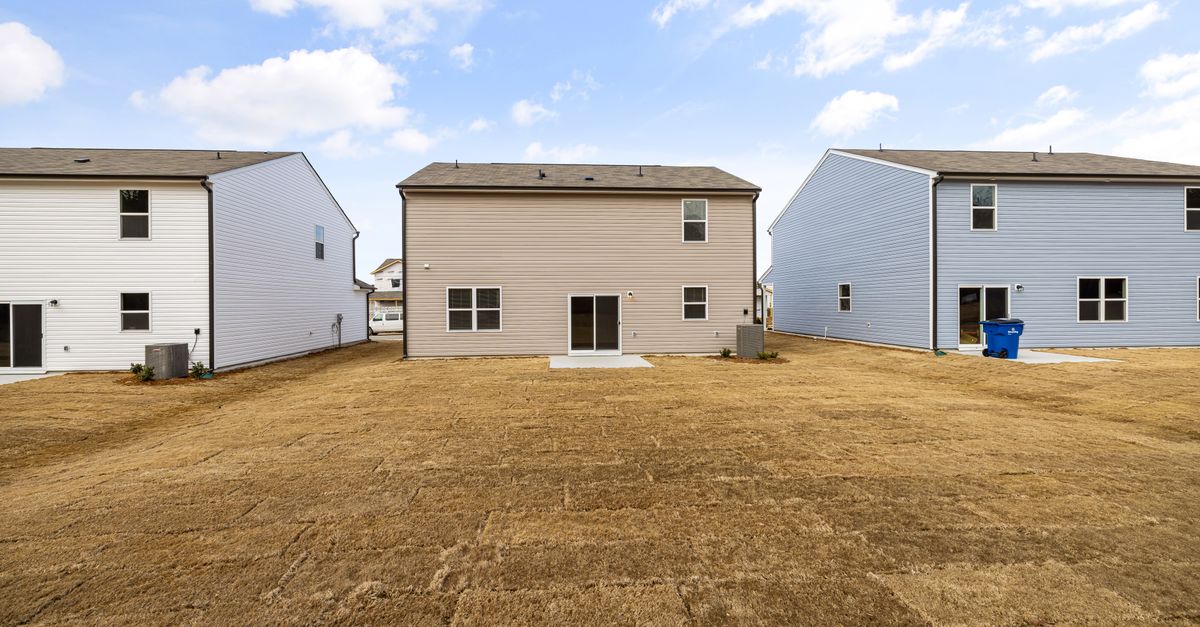
Most buyers have heard of FHA and conventional loans, but the USDA loan program remains one of the best-kept secrets in mortgage financing. It offers something almost no other program does: a true zero down payment option for qualified buyers. The catch is geography, income limits, and a few eligibility rules that catch people off guard. Here's how it actually works in practice.
USDA loans are backed by the U.S. Department of Agriculture through its Rural Development program, which surprises a lot of people. The program was designed to encourage homeownership in areas with lower population density, but "rural" in USDA terms covers far more ground than most buyers expect. Many suburban communities outside major metro areas qualify, and the eligibility maps get updated regularly. The loan itself works like a conventional mortgage with one major difference: the down payment requirement is zero. Buyers can finance the full purchase price, and closing costs can often be rolled in or covered by seller concessions.
Eligibility comes down to a few main factors: location, income, and the property itself. The home has to sit within an eligible area, which a loan officer can verify quickly using the USDA's online mapping tool. Household income must fall below the limit set for the local area, and these limits vary by region and household size. The property must also be a primary residence, which rules out second homes or investment properties. Credit standards are similar to other government-backed programs, and most lenders look for a reasonable middle score and a clean recent payment history.
For buyers who qualify, USDA financing can be a game changer, especially in markets where saving for a down payment is the biggest barrier to entry. The program does carry a guarantee fee, which functions similarly to mortgage insurance on FHA loans, and that fee can be rolled into the loan balance. Monthly costs tend to compare favorably against FHA options once the math is run, particularly for buyers with solid credit. The trade-off is that not every property qualifies, and the appraisal process can be stricter than buyers expect. Working with someone who has closed USDA loans recently helps avoid surprises during underwriting.
Learn More
Want to dive deeper? Explore our USDA Loans page for program details, requirements, and next steps.
Learn More About USDA LoansKey Takeaways
USDA loans put homeownership within reach for buyers who have steady income but limited savings for a down payment. The program is worth exploring for anyone buying in a qualifying area, even if "rural" doesn't match their mental image of where they want to live.

The 2 Mortgage Guys can walk buyers through the USDA eligibility map, run the numbers on a specific property, and compare the program against other low-down options. Reach out today to find out whether USDA financing fits the situation.
Get Started